
 ইংরেজি
 简体中文
简体中文
 চাইনিজ
 ইংরেজি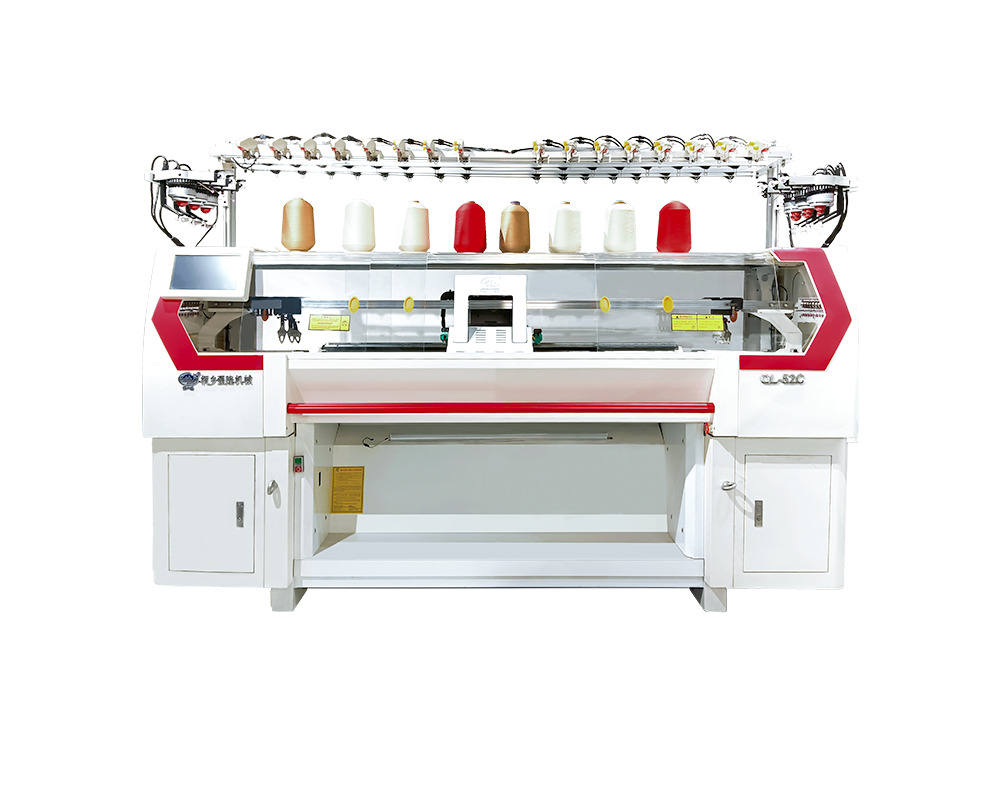
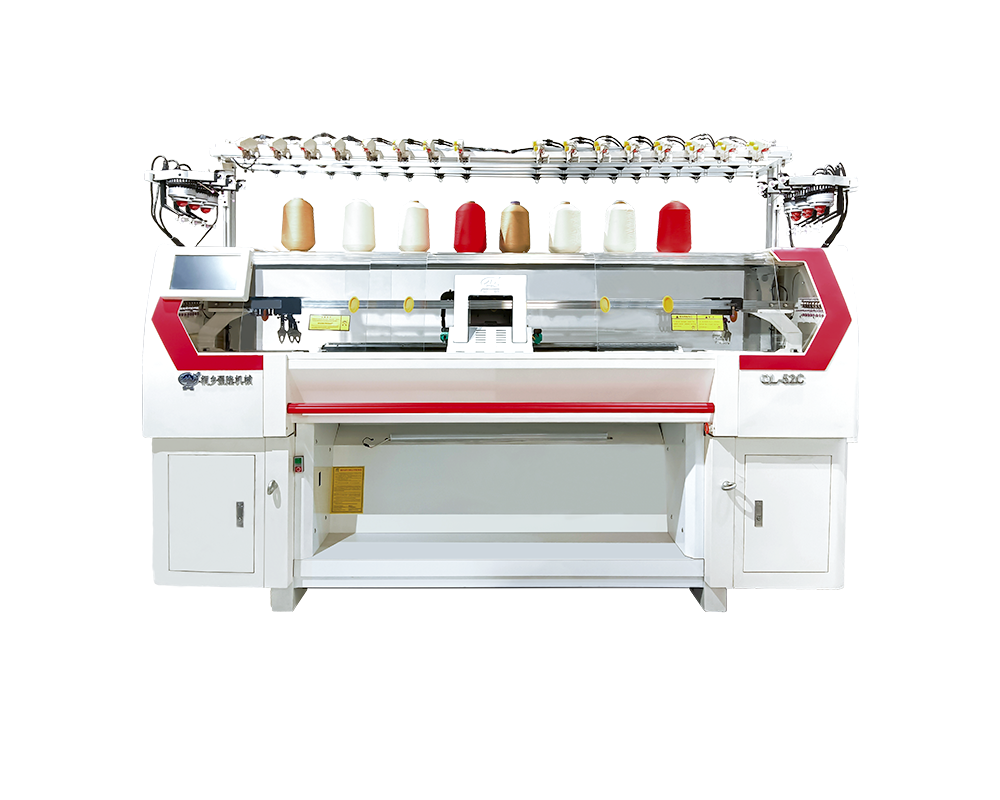
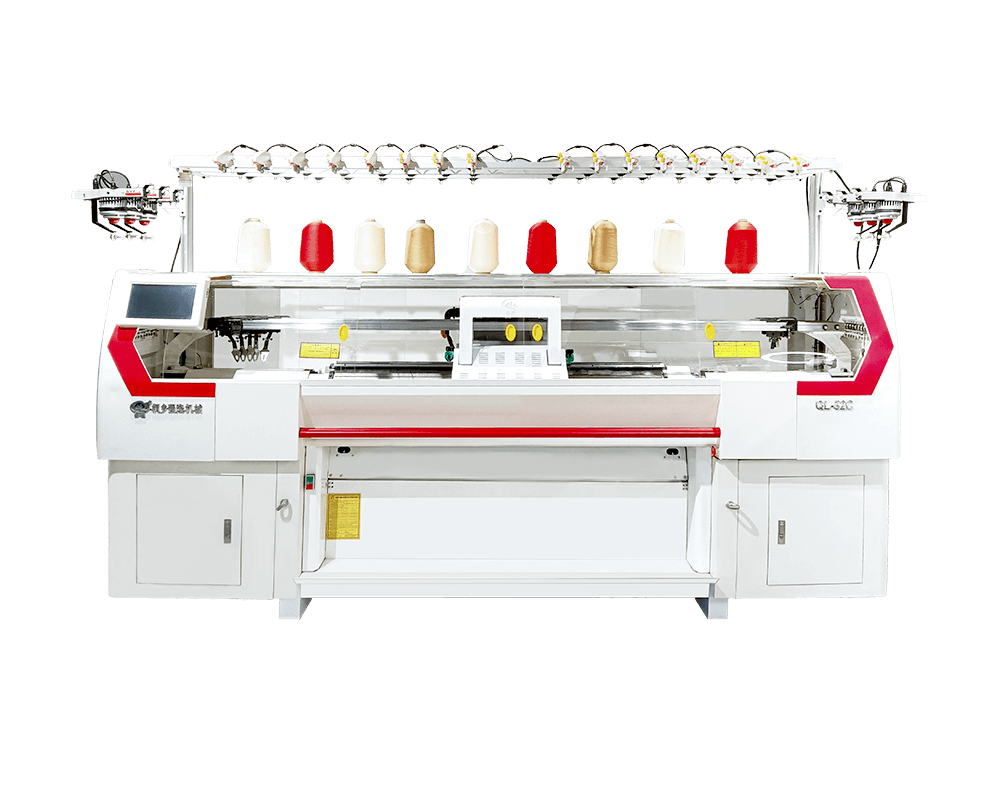
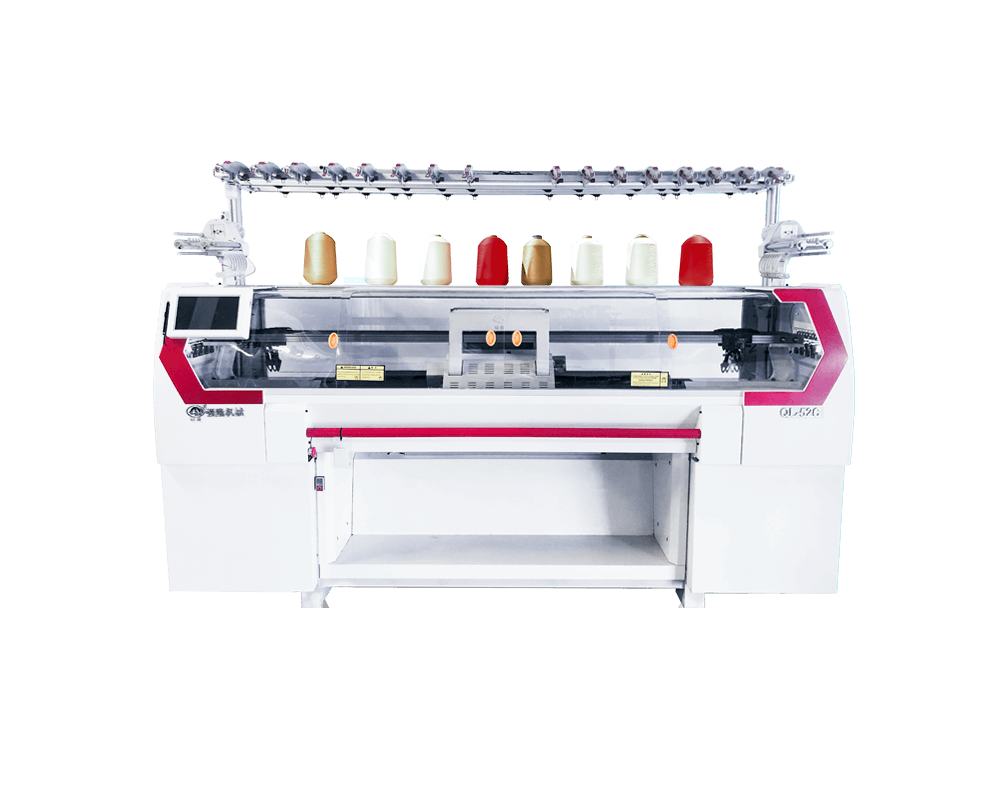
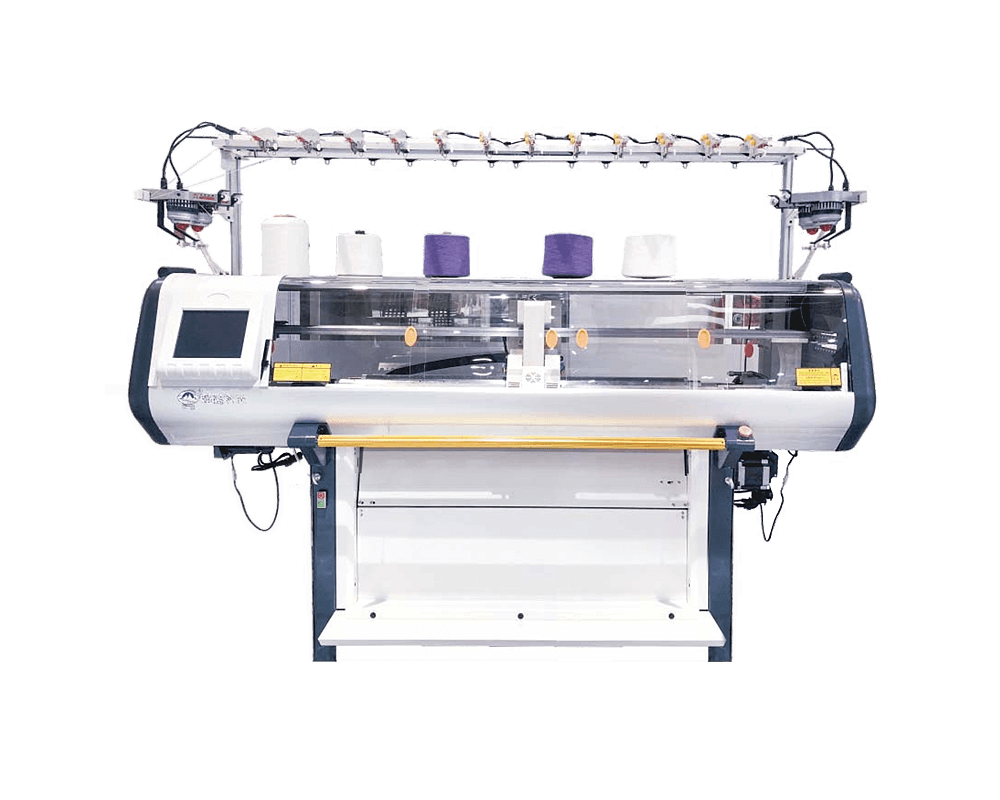
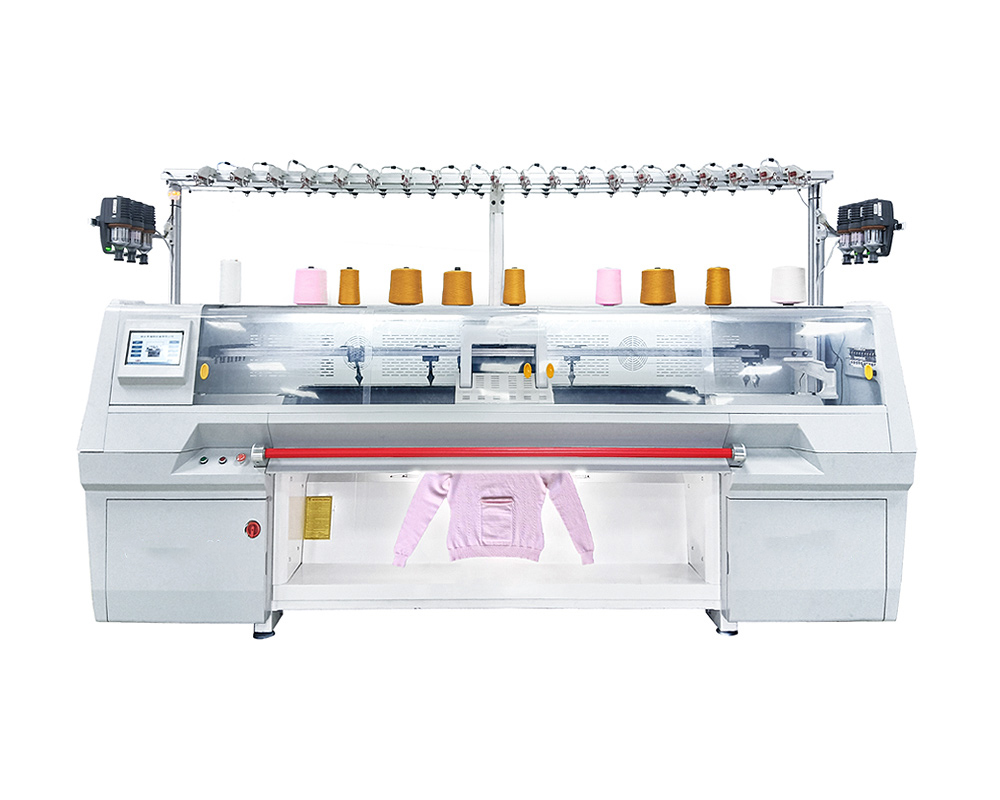
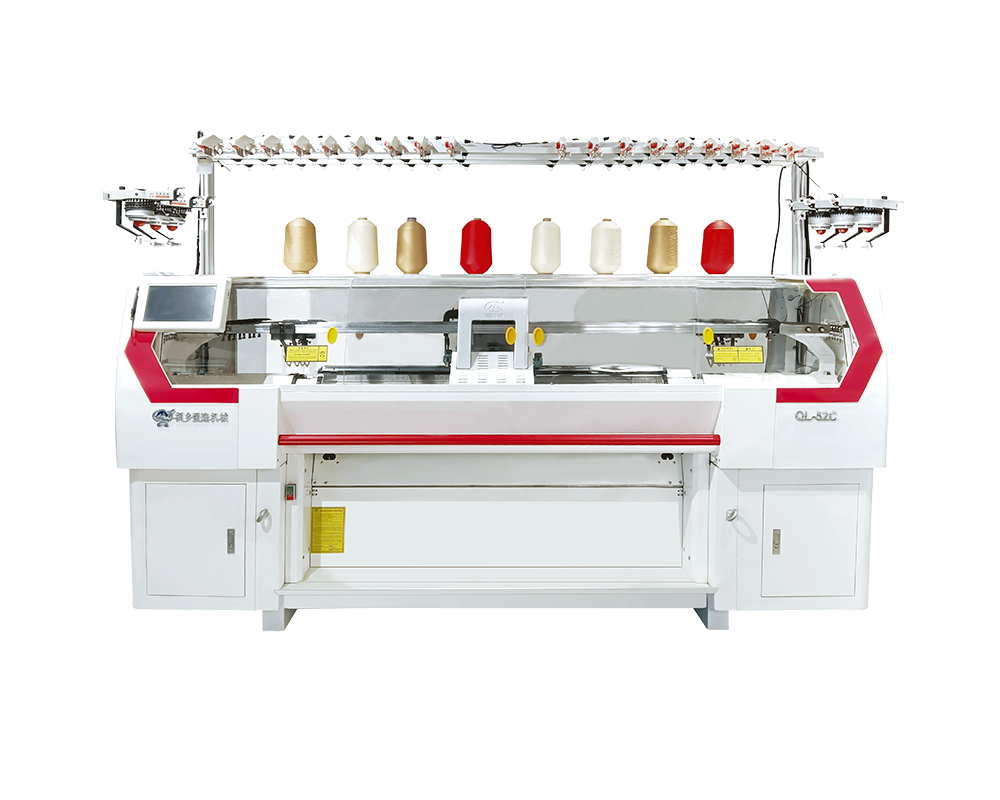
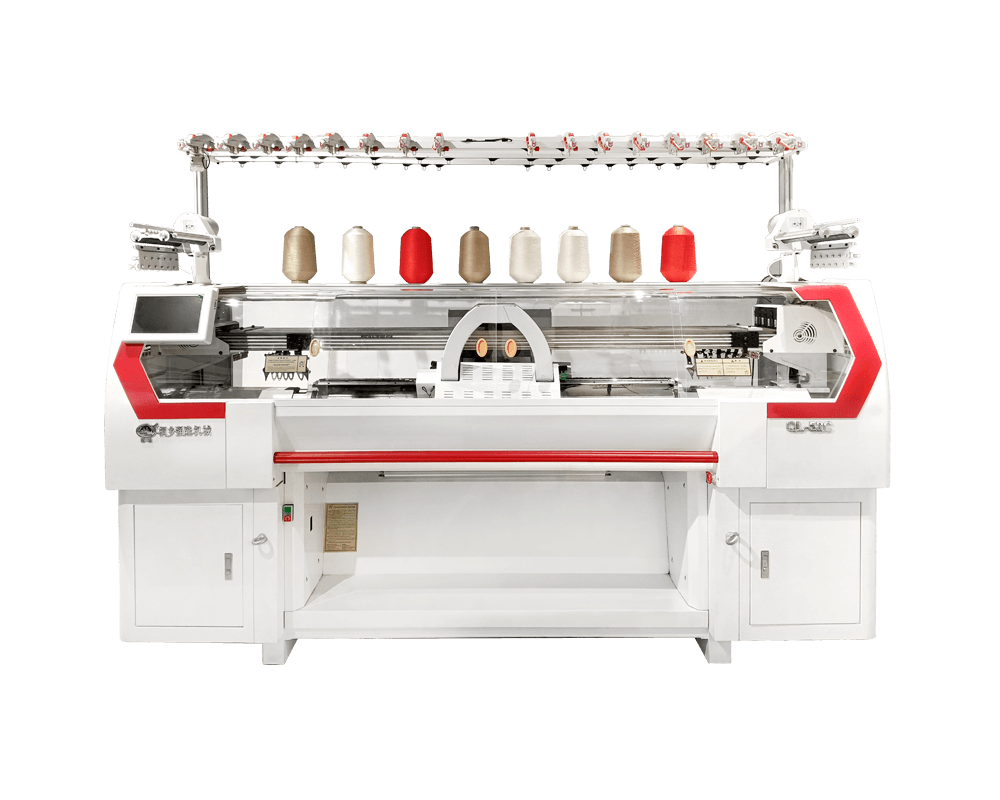
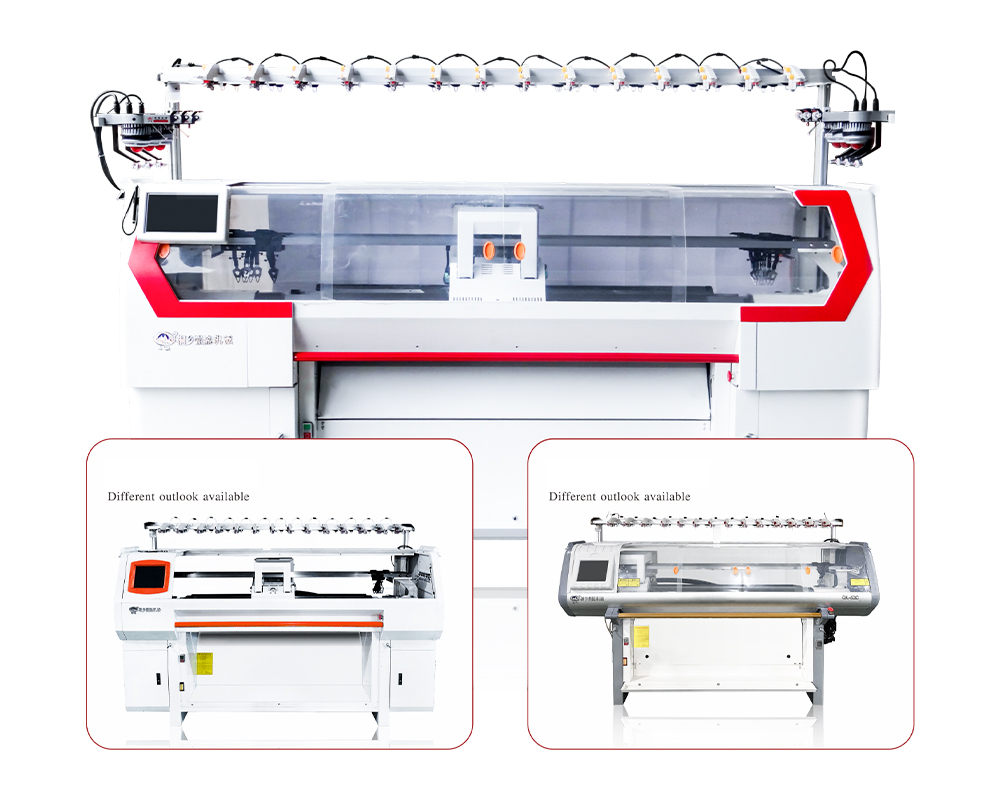
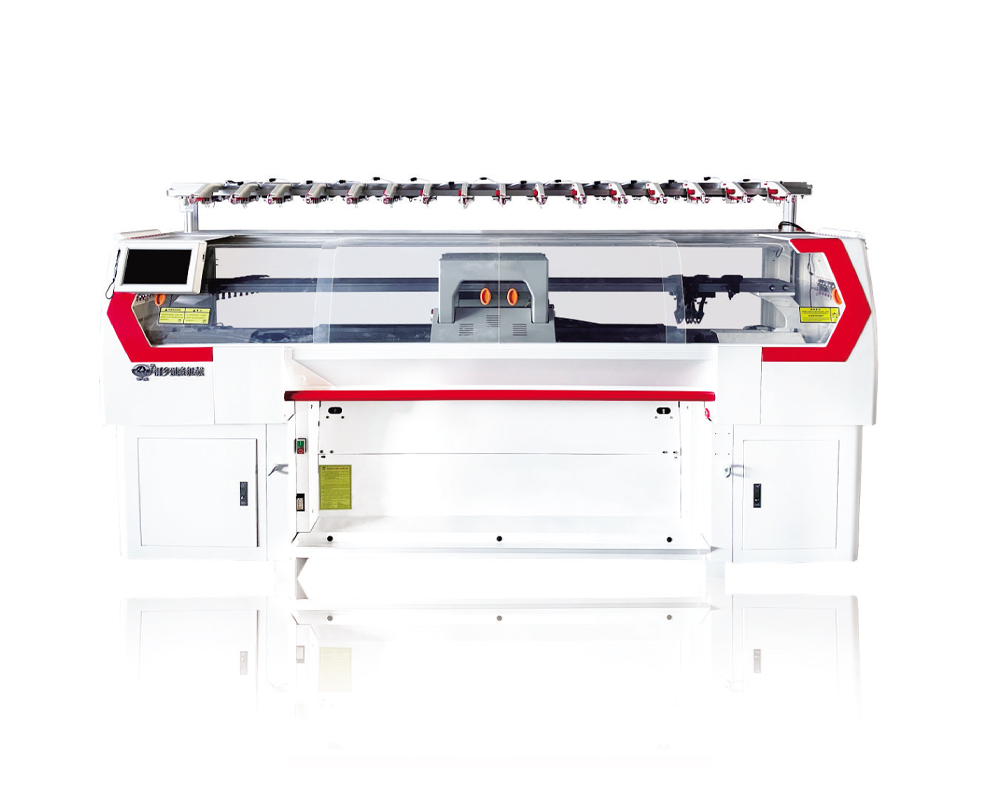
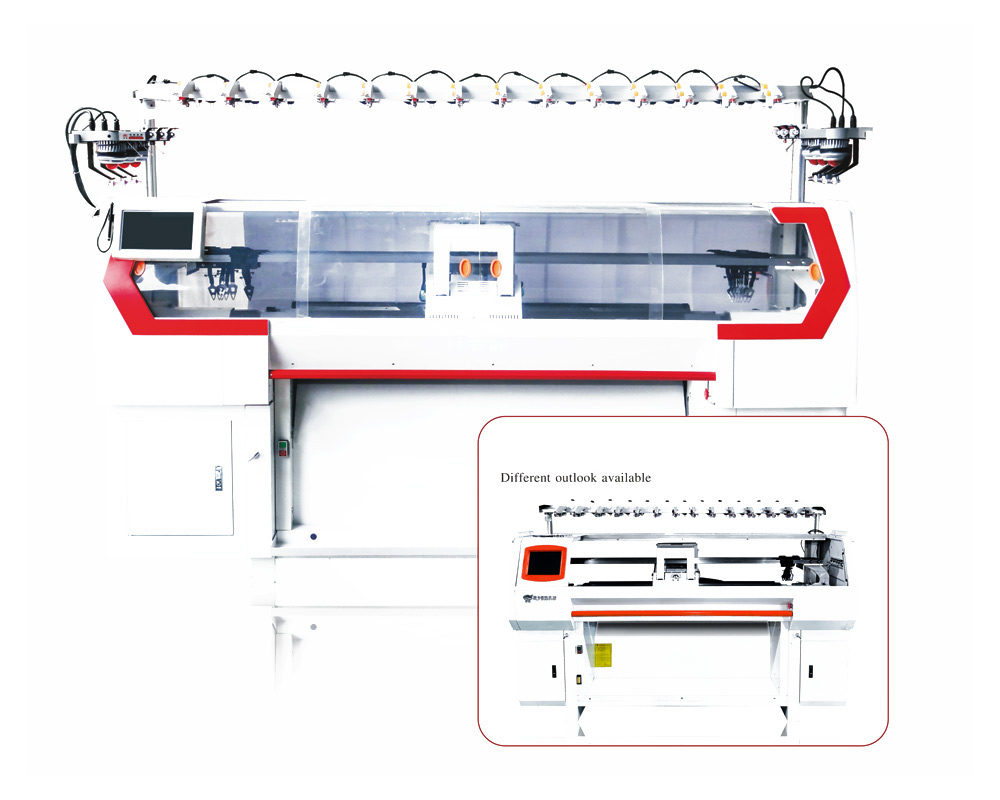

Tongxiang Qianglong মেশিনারি কোং, লি. উচ্চ প্রযুক্তির হয় চীন পাইকারি কম্পিউটারাইজড ফ্ল্যাট বুনন মেশিন নির্মাতারা, ডিজাইনিং, ডেভেলপিং এবং বুনন যন্ত্রপাতি তৈরিতে বিশেষীকৃত..
What "System" Means in Flat Knitting — and Why It Matters
In computerized flat knitting, the term "system" refers to the number of independent knitting units — each consisting of a set of yarn carriers, cams, and needles — that operate within a single carriage pass. A single-system machine completes one knitting action per carriage traverse; a double-system machine completes two. This seemingly simple difference has profound implications for production speed, fabric complexity, and operational cost.
Understanding the distinction is essential for any manufacturer evaluating knitting equipment — from small-batch knitwear studios to high-volume sock and sweater factories. The right system configuration directly determines throughput capacity, fabric structure capabilities, and return on investment.
How a Single-System Flat Knitting Machine Works
A single-system computerized flat knitting machine carries one complete set of knitting components in its carriage. As the carriage travels left to right — and then right to left — it executes one row of knitting per pass. The machine's control system precisely programs each needle's action (knit, tuck, miss, transfer) via electronically actuated cams on every traverse.
Single-system machines are characterized by:
- Lower mechanical complexity — fewer moving cam assemblies per carriage, reducing maintenance frequency and spare parts inventory.
- Precise stitch control — the single cam system allows tighter synchronization between yarn feed tension and needle action, which is advantageous for fine-gauge or technically demanding fabrics.
- Lower initial investment — single-system models are generally priced significantly below equivalent double-system configurations.
- Slower output — producing one course per pass means production rates are inherently limited compared to double-system machines at identical carriage speeds.
Single-system machines remain the preferred choice for sample development, short-run production, high-complexity stitch structures, and operations where fabric quality and versatility outweigh throughput requirements.
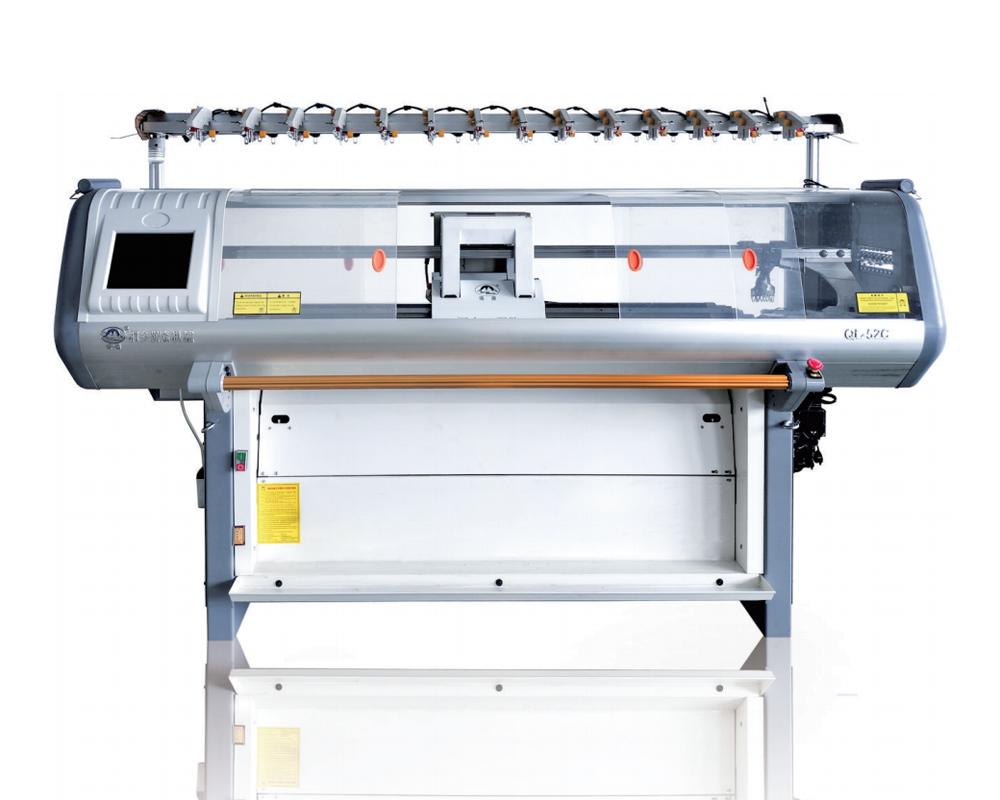
How a Double-System Flat Knitting Machine Works
A double-system machine mounts two independent knitting systems on a single carriage. Each system has its own yarn carriers and cam assembly. As the carriage makes one full traverse, two complete rows of knitting are produced — one per system. This effectively doubles productive output without requiring higher carriage travel speeds.
The two systems can operate on the same fabric panel or be programmed to knit different sections simultaneously, depending on the machine's software capabilities and the complexity of the programmed pattern.
Double-system machines are characterized by:
- Higher production speed — output is approximately double that of a comparable single-system machine, with carriage traverse speed held constant.
- Greater yarn carrier capacity — two systems accommodate more yarn feeds simultaneously, enabling richer color work and multi-yarn constructions within a single fabric run.
- Wider application range — double-system machines are well-suited for intarsia, jacquard, and striped patterns that require frequent yarn changes across the fabric width.
- Higher capital and maintenance cost — additional mechanical components increase both purchase price and ongoing service requirements.
Direct Performance Comparison: Single vs. Double System
| Factor | Single System | Double System |
|---|---|---|
| Rows knitted per traverse | 1 | 2 |
| Production speed | Baseline | ~2× faster |
| Mechanical complexity | Lower | Higher |
| Yarn carrier capacity | Fewer feeds | More feeds |
| Best for stitch complexity | High-complexity structures | Multi-color, high-volume |
| Equipment cost | Lower | Higher |
| Ideal batch size | Small to medium | Medium to large |
| Maintenance demand | Lower | Higher |
Computerized Control: What Both Systems Share
Regardless of system count, modern computerized flat knitting machines share a common control architecture that defines their capability advantage over manual or semi-automated predecessors.
Electronic Needle Selection
Each needle is individually addressable by the machine's control unit. Rather than relying on mechanical cam profiles to determine needle action across a full bed, computerized machines can program every needle independently on every row. This enables complex intarsia, full-fashioning, and shaped panel knitting that mechanical flat machines cannot execute efficiently.
Design Software Integration
Computerized flat knitting machines are programmed via dedicated design software — platforms such as Stoll's M1Plus, Shima Seiki's SDS-ONE APEX, or equivalent proprietary systems from Chinese manufacturers. Design files translate directly into machine programs, dramatically reducing the time between a new pattern concept and the first production sample. For manufacturers running frequent style changes, this software integration is a central competitive advantage.
Automatic Stitch Density Control
Computerized systems regulate yarn tension and stitch cam position dynamically across the fabric width, compensating for variations in yarn batch properties and ambient conditions. This automated density control produces more consistent fabric quality than operator-adjusted mechanical machines, reducing defect rates in long production runs.
Typical Applications by System Configuration
The production context — product type, order volume, and fabric complexity — should drive system selection. Here is how each configuration maps to common end-use applications:
Single-System Applications
- Fully-fashioned sweater panels requiring precise shaping and needle transfer sequences
- Technical knitwear with complex stitch structures (cables, lace, relief patterns)
- Sample development and prototype knitting
- Small-batch luxury knitwear production
- Whole-garment knitting on select single-system platforms
Double-System Applications
- High-volume sweater body and sleeve panel production
- Multi-color jacquard and striped knitwear for mass-market retail
- Sportswear and athleisure knit panels requiring speed and color versatility
- Scarf, hat, and accessory production at commercial scale
- OEM manufacturing operations supplying fast-fashion supply chains
Choosing the Right Configuration for Your Factory
The decision between single and double system ultimately comes down to three variables: order volume, fabric complexity, and capital budget. A structured evaluation should cover the following questions:
- What is your typical order quantity? — Operations running consistent large orders of relatively standardized products will recover the premium cost of double-system machines through productivity gains. Low-volume, high-variety production favors the single-system's flexibility and lower cost base.
- How complex are your target stitch structures? — Products requiring extensive needle transfers, complex shaping sequences, or fine-gauge precision may perform better on single-system machines where cam control is tighter per traverse.
- How many colors do your designs require? — Double-system machines typically carry more yarn feeds simultaneously, making them more productive for multi-color intarsia and jacquard work without yarn carrier changeover delays.
- What is your maintenance infrastructure? — Double-system machines require more rigorous preventive maintenance. Factories without dedicated technical staff should factor service capability into the total cost of ownership.
Many mid-scale manufacturers operate a mixed fleet — double-system machines handling production runs and single-system machines handling sampling, development, and complex specialty items. This configuration balances throughput with flexibility and avoids over-engineering either function.
